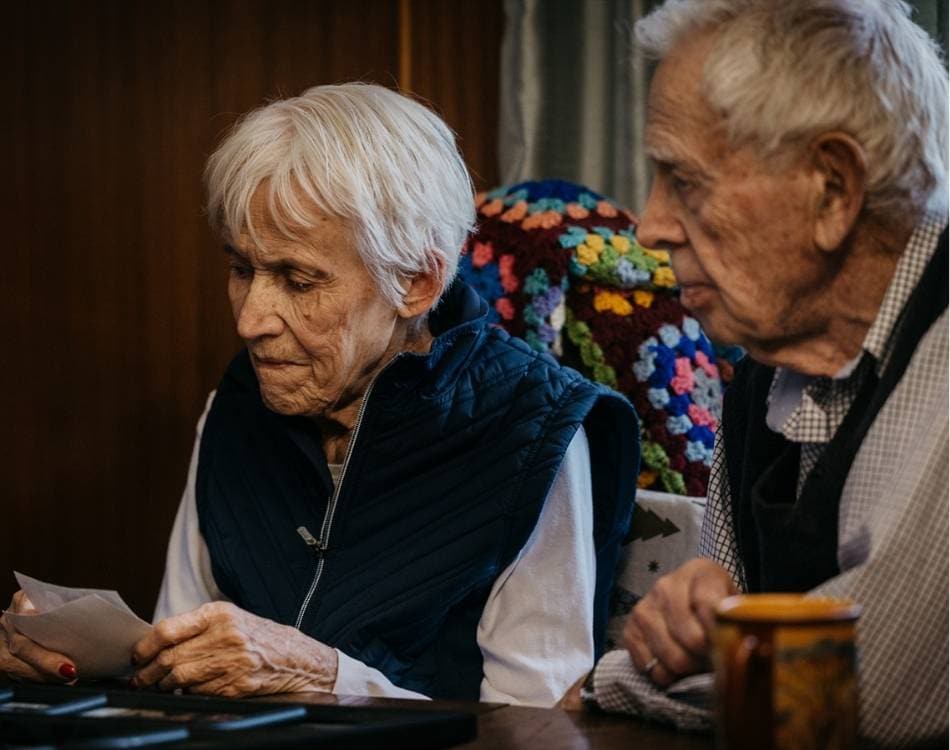
For the hundreds of thousands of Canadians living with dementia and their families, a timely diagnosis can change everything.
The Dementia Care Pathways Project is a forward-looking initiative to transform how dementia is identified, treated and supported in Alberta. By connecting early diagnosis with integrated clinical care, research and community resources, we’re building a pathway that meets people where they are and moves them toward better outcomes.
Why it Matters
Dementia is a growing health issue in Canada. Right now, about 600,000 Canadians are living with dementia. By 2030, that number could grow to almost one million people. Dementia affects not only the person living with it, but also their families, friends and caregivers.
Many people with dementia live at home with support from family members and caregivers. As we learn more about dementia, we are finding better ways to recognize it earlier and support people in their own communities.
The Dementia Care Pathways Project was created to help make this possible.
Getting a diagnosis earlier can help people and families get the support they need sooner. It can improve access to treatments, connect people to research opportunities and give families more time to plan.
This project brings together health-care providers, researchers, community groups, people living with dementia and caregivers to create a clearer and more connected path for dementia care. The goal is to make it easier for people to get the right care and support at the right time.
This four-year initiative focuses on three key pillars:
Clinical Pathway for Early Diagnosis and Care
Provincial Dementia Patient Registry
Social Health Resources and Navigation
Clinical pathway
A dementia diagnosis can be the start of a long and difficult journey for people living with dementia and the people who care for them. Families often face confusion, stress and challenges finding the right help and support.
Right now, getting a diagnosis and ongoing care can take a long time. Care is not always connected, and families may struggle to know where to turn next.
The Dementia Care Pathways Project will create a more connected care pathway that brings together family doctors, specialists, health-care teams and community supports. It will help people living with dementia and their care partners get support for their physical health, emotional well-being, daily living needs and future planning.
The goal is to help people get the right care, information and support at the right time — from the first signs of memory concerns through every stage of care.
How It Works
Connects family doctors, specialists, and health-care teams
Improves access to testing, diagnosis and ongoing care
Helps families find community programs, education and support services
Supports both physical health and social well-being
Reduces delays and gaps in care
Where We’re Starting
The pathway will be piloted at three sites chosen to reflect the diversity of where Albertans live and receive care:
Kaye Edmonton Family Medicine Clinic: Serving urban patients and families
McLeod River Primary Care Network: Extending the model to rural communities
TBD: A third site providing additional refinement and relevance.
Built to Last
Co-designed with clinicians and people living with dementia, the pathway will be hosted in our provincial electronic medical records and the Alberta Pathway Hub, easily accessible by family physicians and primary health care providers — positioning it for long-term adoption and provincial reach well beyond the pilot.
Provincial dementia patient registry
Some of the most promising advances in dementia care depend on something deceptively simple: knowing who is willing to help. Clinical trials and research studies are only as strong as the people who participate in them — and right now, Alberta lacks a comprehensive patient database to make those connections happen.
By creating a central resource that identifies individuals with memory impairment and a dementia diagnosis, who are interested in research participation connects them with clinical trials and researchers across Alberta, we can accelerate the development of new treatments and care to keep Albertans at the forefront of discoveries that will benefit people everywhere.
What the Registry Will Do
Identify people living with dementia who are interested in research participation
Improve recruitment for clinical trials, reducing one of the biggest barriers to research progress
Provide researchers with valuable clinical data to support collaboration across the province
Why It Matters
Faster development of new treatments and ways of providing care
More Albertans contributing to, and benefiting from, leading-edge research
Stronger province-wide collaboration among researchers and care teams
Social health resources and navigation
A dementia diagnosis doesn’t end at the clinic door. For people living with dementia and their families, some of the most important support happens between appointments — in communities, relationships and the everyday activities that bring meaning and connection to life.
Health is about more than managing symptoms. It’s about maintaining the relationships, routines and community participation that support well-being long after a diagnosis. This pillar of the Dementia Care Pathways Project is dedicated to understanding what that looks like in practice and making it easier for people to find the support they need, when they need it.
What We’re Working On
Studying how individuals and families adapt and find their footing after a dementia diagnosis
Co-designing community resource tools alongside people living with dementia — so the tools reflect real experiences and real needs
Developing community asset maps to help patients and care partners navigate available local resources with confidence
The Goal
Better resources, better navigation and a stronger sense of connection for every person and family affected by dementia in our community.
Project timeline
Start: August 2025 | Duration: Four years
Year 1 (2025–2026):
Project launch
Co-design workshops with clinicians, families and people living with dementia
Initial development of clinical pathway
Registry planning and infrastructure development
Year 2:
Clinical pathway pilot implementation
Registry recruitment begins
Social health research interviews and community mapping
Year 3
Evaluation of pilot care pathway
Expansion of registry participation
Development of navigation tools and social prescribing resources
Year 4
Final pathway refinement
Public release of community asset maps
Knowledge translation and provincial dissemination
Our Partners
The project is led by University of Alberta researchers Dr. Adrian Wagg and Dr. Holly Symonds-Brown, and supported by a $1 million grant from Alberta’s Primary Care Innovation Fund, alongside early funding from the University Hospital Foundation and donors who believe in building a brighter future for dementia care.
“By creating a system level care pathway from the perspective of the end-user and designed to address many of the obstacles to early diagnosis, we hope to overcome the tortuous and fragmented journey that many adults with cognitive concerns and their care partners face in today’s healthcare system.”
Dr. Adrian Wagg, Dementia Care Pathways Co-Lead
“This project is about listening to people living with dementia, caregivers and families about what works well, what’s difficult and then co-designing solutions with them.”
Dr. Holly Symonds-Brown, Dementia Care Pathways Co-Lead
Project updates
New project to support dementia patients and their families
The University Hospital Foundation is proud to launch the Dementia Care Pathways Project, a bold initiative aimed at transforming how we diagnose and support Albertans living with dementia in our communities.
Today, almost 70,000 Canadians are living with dementia — a number projected to rise to one million by 2030. In Alberta, the need for new approaches to care has never been greater.
The Dementia Care Pathways Project is expected to cost $3.1 million, $1 million of which is being provided by the Government of Alberta’s Primary Care Innovation fund. We need your help to close the gap.
You can join us in our goal of leading better care and support for those with dementia and their loved ones.